
pi network cryptocurrency
Pi network cryptocurrency
The very first cryptocurrency was Bitcoin. Since it is open source, it is possible for other people to use the majority of the code, make a few changes and then launch their own separate currency https://ippwatch.info/. Many people have done exactly this. Some of these coins are very similar to Bitcoin, with just one or two amended features (such as Litecoin), while others are very different, with varying models of security, issuance and governance. However, they all share the same moniker — every coin issued after Bitcoin is considered to be an altcoin.
Crypto prices are calculated by averaging cryptocurrency exchange rates on different cryptocurrency trading platforms. This way, we can determine an average price that reflects cryptocurrency market conditions as accurately as possible.
Let’s quickly calculate the market cap of Bitcoin as an example. The Bitcoin price is currently $ 106,283 and there are 19.87 million BTC coins in circulation. If we use the formula from above, we multiply the two numbers and arrive at a market cap of 2,111.59 billion.
The first chain to launch smart contracts was Ethereum. A smart contract enables multiple scripts to engage with each other using clearly defined rules, to execute on tasks which can become a coded form of a contract. They have revolutionized the digital asset space because they have enabled decentralized exchanges, decentralized finance, ICOs, IDOs and much more. A huge proportion of the value created and stored in cryptocurrency is enabled by smart contracts.
Cryptocurrency market capitalization (market cap) refers to the total value of a particular cryptocurrency that is currently in circulation. It is calculated by multiplying the current market price of a cryptocurrency by the total number of coins or tokens that have been issued. The total market capitalization of all cryptocurrencies for today is $3,583,160,580,140
Cryptocurrency
Cryptocurrencies are legal in the European Union. Derivatives and other products that use cryptocurrencies must qualify as “financial instruments.” In June 2023, the European Commission’s Markets in Crypto-Assets (MiCA) regulation went into effect. This law sets safeguards and establishes rules for companies or vendors providing financial services using cryptocurrencies.
After the early innovation of bitcoin in 2008 and the early network effect gained by bitcoin, tokens, cryptocurrencies, and other digital assets that were not bitcoin became collectively known during the 2010s as alternative cryptocurrencies, or “altcoins”. Sometimes the term “alt coins” was used, or disparagingly, “shitcoins”. Paul Vigna of The Wall Street Journal described altcoins in 2020 as “alternative versions of Bitcoin” given its role as the model protocol for cryptocurrency designers. A Polytechnic University of Catalonia thesis in 2021 used a broader description, including not only alternative versions of bitcoin but every cryptocurrency other than bitcoin. As of early 2020, there were more than 5,000 cryptocurrencies.
Bitcoin has been characterized as a speculative bubble by eight winners of the Nobel Memorial Prize in Economic Sciences: Paul Krugman, Robert J. Shiller, Joseph Stiglitz, Richard Thaler, James Heckman, Thomas Sargent, Angus Deaton, and Oliver Hart; and by central bank officials including Alan Greenspan, Agustín Carstens, Vítor Constâncio, and Nout Wellink.
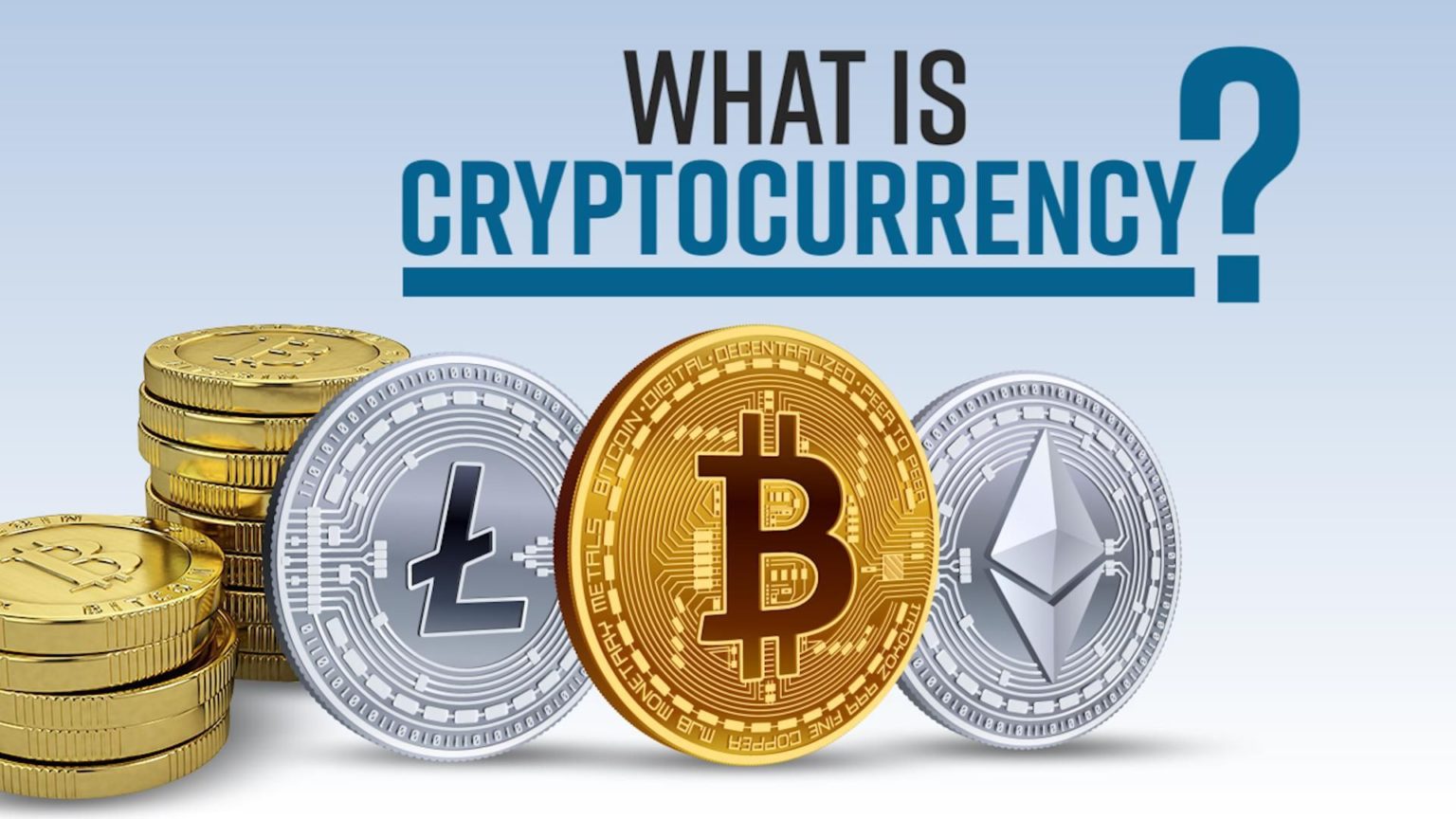
Cryptocurrencies are legal in the European Union. Derivatives and other products that use cryptocurrencies must qualify as “financial instruments.” In June 2023, the European Commission’s Markets in Crypto-Assets (MiCA) regulation went into effect. This law sets safeguards and establishes rules for companies or vendors providing financial services using cryptocurrencies.
After the early innovation of bitcoin in 2008 and the early network effect gained by bitcoin, tokens, cryptocurrencies, and other digital assets that were not bitcoin became collectively known during the 2010s as alternative cryptocurrencies, or “altcoins”. Sometimes the term “alt coins” was used, or disparagingly, “shitcoins”. Paul Vigna of The Wall Street Journal described altcoins in 2020 as “alternative versions of Bitcoin” given its role as the model protocol for cryptocurrency designers. A Polytechnic University of Catalonia thesis in 2021 used a broader description, including not only alternative versions of bitcoin but every cryptocurrency other than bitcoin. As of early 2020, there were more than 5,000 cryptocurrencies.
Cryptocurrency bitcoin price
Since Nakamoto’s first Bitcoin block, thousands of developers have introduced improvements to Bitcoin’s code. And over the past decade, Bitcoin has risen in popularity as a digital asset class, with more people, companies, and even countries accepting its usage or maintaining Bitcoin funds in their balance sheets.
Here at CoinMarketCap, we work very hard to ensure that all the relevant and up-to-date information about cryptocurrencies, coins and tokens can be located in one easily discoverable place. From the very first day, the goal was for the site to be the number one location online for crypto market data, and we work hard to empower our users with our unbiased and accurate information.
The original reward of 50 BTC per mined block as of the genesis block has been halved several times to 25, 12.5, and, as of 11 May 2020, to 6.25 BTC. The Bitcoin protocol dictates that these Halvings take place every 210,000 blocks. Once the limit of 21 million BTC is reached, miners will no longer receive block rewards, but they will still receive transaction fees.

